
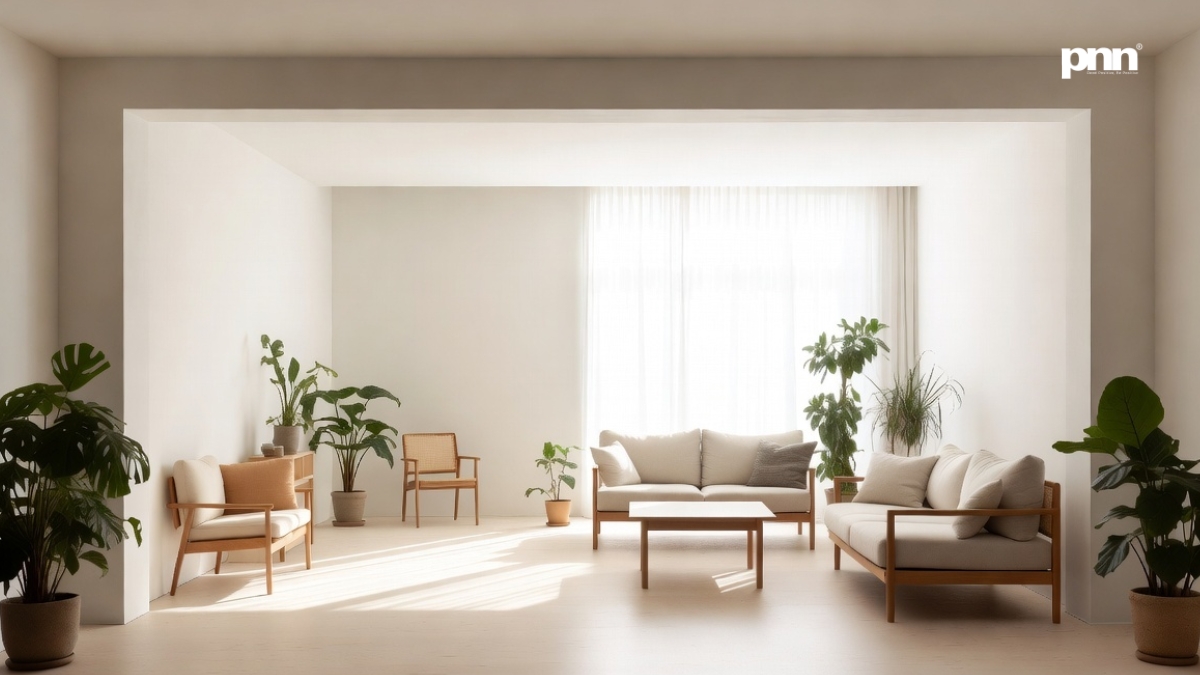
Let’s be honest—life’s nonstop these days. Your phone buzzes with notifications, ads pop up everywhere, and the choices never end. No wonder people are getting tired and looking for another way. That’s where minimalism steps in. It’s not about living out of a suitcase or emptying your house until it feels cold and bare. It’s more about holding onto what really counts for you, and finally letting the rest go. People are over chasing trends and buying more just because. Minimalism gives you a way off that hamster wheel.
You’ll hear talk about this “minimalism movement,” like it’s all new, but really, the idea goes way back. Sure, people like Joshua Fields Millburn and Ryan Nicodemus (the Minimalists) made it trendy again, but long before that you had Stoicism, Buddhism, and the voluntary simplicity crowd in the last century. Minimalism just feels like the current answer to the old problem of, “Why do I own so much stuff?”
Just look at the numbers. The average American home? About 300,000 things inside. Let that sink in. And even though houses have tripled in size since the 1970s, storage units are everywhere. We’re not just talking about stuff, either—clothes pile up too. People buy around 53 to 68 new pieces of clothing every year, about twice as much as back in the 2000s. Families spend roughly $1,700 on clothes alone each year.
Add it all up, and, well, we’re drowning. Minimalism isn’t just cleaning up—it’s a lifeline.
Minimalism Pays Off
Getting serious about less pays off in lots of ways.
Money: In one Canadian survey from 2019, people who shifted to minimalist habits saved about 20-40% more of their income. They spent less on junk, had more for travel or paying off debt, and some used this to hit financial independence early—especially fans of the FIRE movement.
Your Mind: It’s not just your closet that gets messy. Clutter messes with your head, too. Research shows messy rooms boost stress, especially for parents. UCLA found moms in cluttered homes felt way more overwhelmed. When people declutter, they report up to 70% better focus, and huge bumps in productivity and mood. Most studies found a simpler lifestyle ties to better mental health.
The Planet: Buying less means throwing out less. Minimalists cut carbon emissions, use less plastic, and just don’t feed the endless demand for new resources. Fast fashion is rough on the planet, and dialing back your shopping habits really does make a difference.
Health and Relationships: Many minimalists sleep better, eat healthier, and stay more active; mostly because they’ve cleared out distractions, which leaves extra time for what matters—and who matters. Some people even lose weight or dramatically reduce their stress, just by shifting focus away from buying and onto living.
Quick Facts:
- 64% of Millennials and Gen Z have cut down on belongings lately—for peace of mind, their wallets, and the environment.
- The average woman owns 30 outfits now—back in 1930, it was only nine.
- Living in a cluttered home links to being 77% more likely to be overweight.
- The minimalist products market hit $10 billion in 2024. And it keeps growing.
Ready to Try Minimalism? Start Simple. Don’t worry—you don’t need to clear out your house in a weekend. Small steps work:
- Declutter by category. The KonMari method: keep only what sparks joy. Start with clothes, then books, then the random things that pile up.
- The 90/90 rule. If you haven’t used it in 90 days and won’t use it in the next 90, it’s time to let go.
- One in, one out. Buy something new? Something old leaves.
- Wait before buying. Give yourself a month. Odds are, you’ll forget all about that thing you wanted.
- Keep your phone and inbox tidy, too. Digital stuff counts as clutter.
One last thing: Track your progress. Most people feel better in just a few weeks—and notice they’re spending less, too.
Minimalism Looks Different for Everyone
Is it always easy? Not really. Parents and people with gear-heavy hobbies have a tougher time. Minimalism isn’t about some contest to see who can own the least. It comes down to intention. Some say minimalism is a privilege—you need to have “enough” before you can pare back. There’s some truth in that, and culture counts, too. What feels minimalist in one place might feel ordinary somewhere else.
But that’s minimalism’s strength. It adapts. Maybe you have 500 things, maybe 5,000—if it works for you, and your stuff doesn’t drag you down, you’re doing it right.
What You Actually Get
Here’s the best part: less stuff means more life. You’ll find extra time, deeper friendships, richer experiences, even a feeling of relief. In a world where everyone tries to impress by owning more, saying “no thanks” ends up feeling a bit rebellious—and pretty freeing.
There’s a saying: “The less you own, the more you have.” No wonder so many young people are interested, whether for the money, the planet, or just trying to find some balance.
You can start anywhere—try your closet, or your calendar. Minimalism just asks you to check what’s worth keeping. When you clear out what doesn’t matter, you finally get a good look at what does—and maybe even find a version of yourself you like a whole lot more.