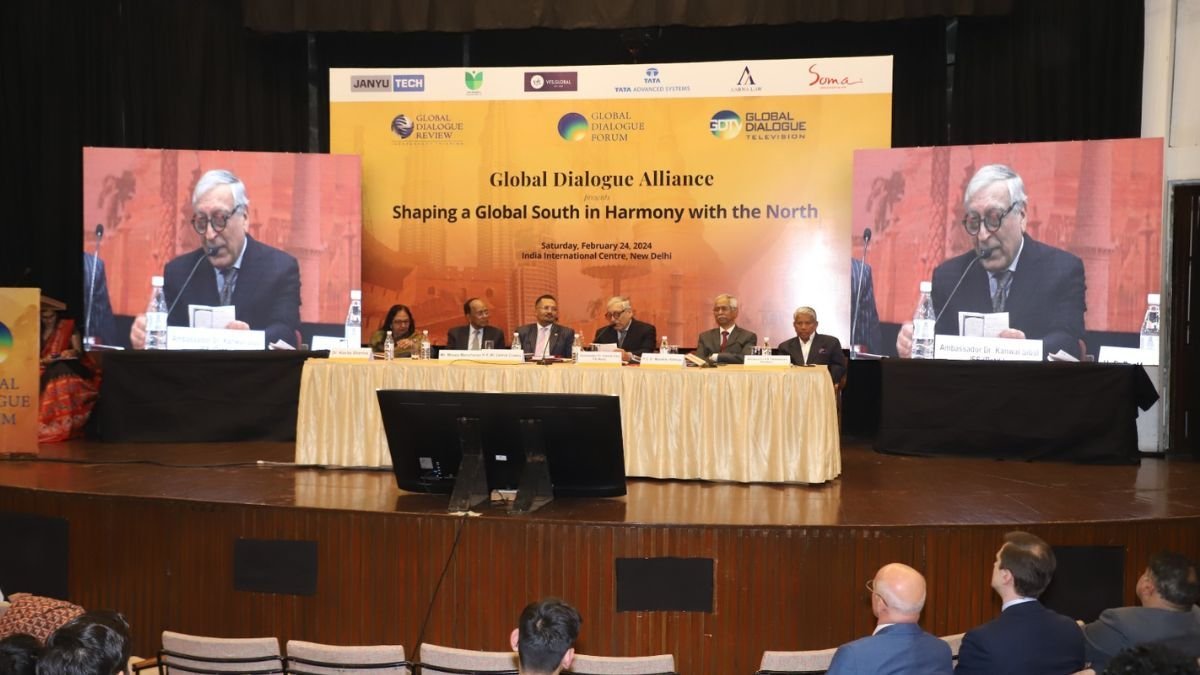
Former Foreign Secretary of India and current chancellor of Jawaharlal Nehru University Ambassador Dr Kanwal Sibal (seated fourth from the left) addressing a conference on Shaping a Global South in Harmony with the North, organised by Global Dialogue Alliance. From left: Dr. Kavita Sharma, former President, South Asian University, Mr. Moses Manoharan, Chairman, Global Dialogue Alliance, H. E. Dr. Mustafizur Rahman, High Commissioner of Bangladesh to India, H.E. Mr. Cedric Crowley, acting High Commissioner of South Africa to India and Ambassador AR Ghanashyam, former high commissioner of Nigeria.
New Delhi (India), February 27: A conference of senior diplomats on contemporary geopolitics called for the Global North and South to set aside differences and come together to address critical issues facing the world — from climate change to economic inequity to conflict.
The diplomats were speaking at a conference on ‘Shaping a Global South in Harmony with the North’, organised by Global Dialogue Alliance in New Delhi.
Ambassador Dr Kanwal Sibal, former Foreign Secretary of India and current Chancellor of Jawaharlal Nehru University (JNU) pointed out the consequences of the ongoing seismic shifts in global power dynamics and China’s role in it.
“The rise of China has been nothing short of phenomenal,” he said.
Commenting on India’s productive engagement with nations of the South, he said, “Whether it is through tariff concessions to the least developed countries or summits with small island states, India has demonstrated a strong commitment to fostering meaningful partnerships within the Global South.”
“India has also made significant strides, asserting its presence with a greater degree of persuasion and acceptance as India prefers a non-confrontational mode of engagement,” he asserted.
Ambassador Sibal also highlighted the security implications of NATO’s expansion.
“There is an urgent need for global unity, yet in the current circumstances, I believe the primary responsibility lies with the North. Despite ample diplomatic experience, they persist in making geopolitical errors, further fragmenting the world,” he added.
The conference, built around the 10th anniversary celebration of the foreign policy journal Global Dialogue Review, delved into aspects of cooperation within the South and the imperative to engage with nations of the North.
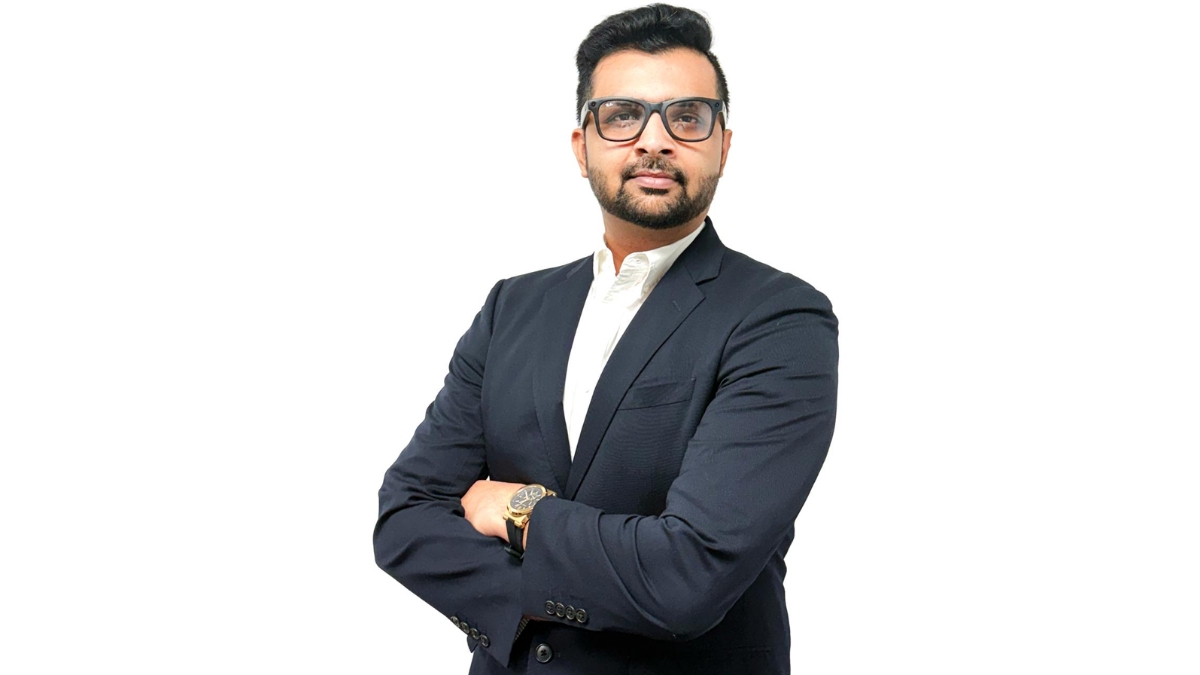
Mr. Moses Manoharan, Chairman of the Global Dialogue Alliance, in his remarks said the Alliance, comprising Global Dialogue Review, Global Dialogue Forum, and Global Dialogue TV, aimed at making a meaningful impact on the world stage at a time when there was a critical need for independent voices.
However, significant challenges arise in achieving harmony with the North, with the most prominent being the North-South divide on climate change and environmental issues, he added.
Dr. Mustafizur Rahman, High Commissioner of Bangladesh to India, pointed out his nation’s progress from being one of the least developed in the world to becoming a developing nation by 2026. But added that along with other nations of the South, they faced challenges in pursuing development.
“There is a greater need for cooperation and unity among Global South nations, particularly in ensuring food security”, he added.
Speaking on the role of Global South in reshaping the global order, Mr. Cedric Crowley, acting High Commissioner of South Africa said South Africa and other BRICS nations were pivotal players in shaping the global order and international development agenda.
“Despite facing immense inequality domestically, we stand together as nations committed to sustainable development and inclusive growth,” he added.
Dr. Kavita Sharma, former President of South Asian University, emphasised the importance of education in promoting regional harmony within the Global South. “Conflict cannot be resolved by more conflict,” she pointed out.
Ambassador A.R. Ghanashyam, former High Commissioner of Nigeria highlighted the persistent imbalance in the distribution of wealth among nations worldwide.
“It’s still the prosperous countries of the North that continue to occupy the maximum share of wealth, despite the projection that 80 per cent of the world’s population will reside in Asia and Africa in the coming future,” he added.
If you have any objection to this press release content, kindly contact [email protected] to notify us. We will respond and rectify the situation in the next 24 hours.