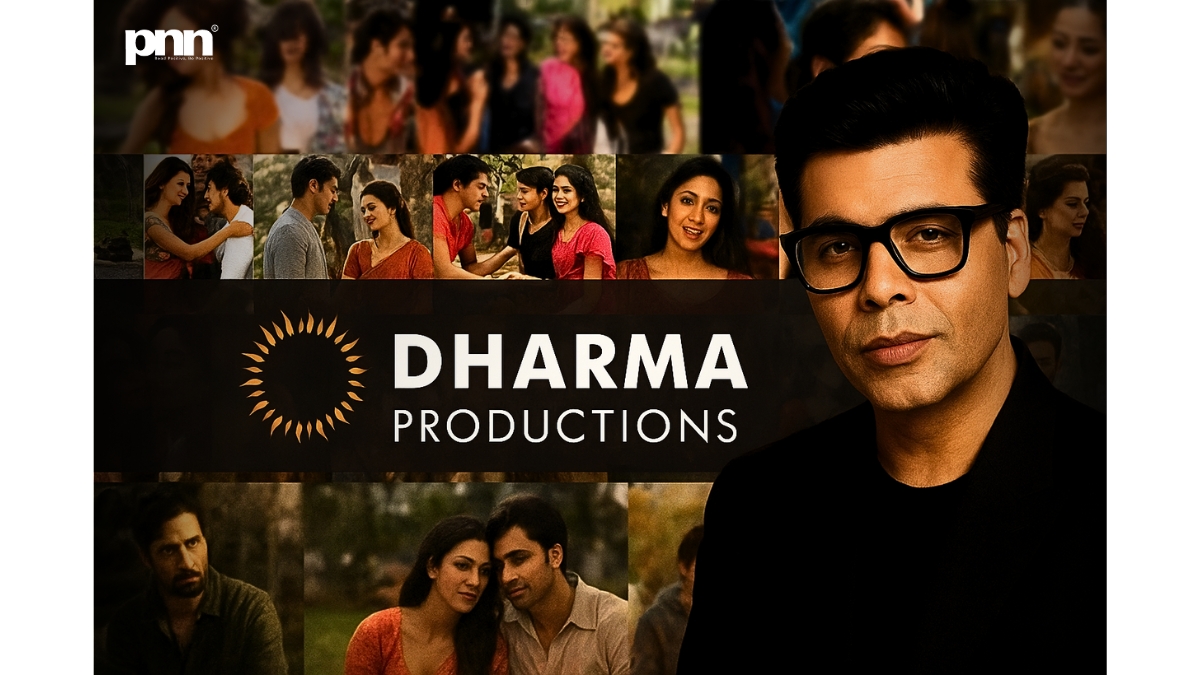
Mumbai (Maharashtra) [India], October 4: One day, you launch a digital boutique to chase streaming dreams. The next, you fold it back into the parent company. Such is the tale now being told at Dharma Productions, which has quietly absorbed its OTT arm, Dharmatic Entertainment, in a sweeping structural overhaul. This isn’t just a corporate reshuffle; it’s a message — and one that carries risk as well as promise.
Dharma’s decision, reported widely today, confirms that Dharmatic will cease to operate as a standalone entity, merging its operations under the main Dharma umbrella. The stated aim is clear: synergy, streamlined workflows, reduced duplication, and stronger alignment between traditional cinema and digital content verticals. The move arrives when Bollywood is grappling with a tectonic shift: streaming is no longer fringe, and every big studio must adapt or fracture.
For years, Dharmatic had been Karan Johar’s digital voice — the arm tasked with creating content for Netflix, Amazon, Hotstar, and other platforms. It launched in November 2018, as part of Dharma’s bid to diversify beyond theatrical films. Dharmatic had produced web-series, digital films, and seasonal specials — even taking on Koffee with Karan in recent seasons.
Yet the absorption suggests a new posture: digital isn’t separate; it’s integral. In effect, Dharma is betting that content creation, distribution, branding, and monetization must be unified under a single roof to remain nimble. In press terms, it’s a pivot from “film + digital,” to simply “content house.”
What This Move Gains Dharma (And Why It Makes Sense)
Operational Efficiency & Cost Synergies
Running two arms means duplicated HR, accounting, legal, and tech overheads. Merging them can cut waste, accelerate decision loops, and reduce bureaucratic friction. In a fast-moving media ecosystem, agility matters.
Better IP Leverage & Cross-Platform Strategy
Internally, stories conceived for digital can now be evaluated for theatrical or streaming release at birth — no handoffs, no “which team owns this” clashes. A web show might be restructured into a film or vice versa, depending on audience response.
Stronger Brand Clarity
Instead of two brands competing or diluting each other, Dharma now sends a clearer signal: we are the brand, from theatrical to digital. For partners or advertisers, that may simplify negotiations.
Lean Leadership & Talent Movement
Top creative talent, producers, and showrunners previously tied to Dharmatic may now be redeployed across Dharma’s broader slate. That could raise morale (bigger projects) — or cast fear of internal cannibalization.
The Risks & Critical Undercurrents
Cultural Clash & Identity Loss
Digital teams often have their own culture — experimental, scrappy, agile. Folding into a big studio with decades-old legacy workflows could stifle that creative DNA. The danger: Dharmatic becomes Dharma’s “digital department,” losing its edge and identity.
Overload & Dilution
Dharma’s slate is already ambitious: big films, mid-budget ventures, brand tie-ups. Adding full-stack streaming production pressure may overextend the team. The risk is quality dilution or missed deadlines.
Stakeholder Confusion
For content creators, this move may raise questions: What’s the greenlight path now? Which executive to pitch to? Who approves budgets? Until roles settle, friction is inevitable.
Symbolic Admission?
Some critics might read this as a tacit acknowledgement that Dharmatic’s independent model didn’t scale as hoped. Folding back suggests the standalone digital gambit may not have delivered expected returns in margins, viewership, or ROI.
The Past Stake Deal & How It Connects
To fully parse this shift, we must remember that Dharma Productions sold 50% stake to Adar Poonawalla’s Serene Productions in late 2024, in a deal valued around ₹1,000 crore (approx USD 119 million) That partnership brought capital, strategic input, and perhaps pressure to align digital and film more coherently.
Karan Johar has previously described himself as uncomfortable with business jargon. He candidly said he was “traumatized” by acquisition meetings — dragged into financial lingo like “put,” “call,” “drag,” “tag,” and realizing how little he knew about his own valuation. That humility underlines the challenge: creative minds being asked to toe corporate discipline.
One source told AZB & Partners represented Dharma and Johar in that acquisition. The consolidation now may be part of the roadmap expected by stakeholders to streamline returns and de-risk overlapping costs.
Latest Industry Echoes & Context
-
Industry sources suggest further restructuring may follow. Some rumours say Dharma 2.0 (its ad/commercial division) or Cornerstone Agency may also see mergers or pivots.
-
Earlier, media analysts flagged that Dharma had seen revenue pressures — in reports, its margins had narrowed, and mid-level film flops hurt cash flows.
-
Recent releases like Aap Jaisa Koi, produced under Dharmatic, show that digital IP is not secondary — it has its own currency. That film’s success may have fueled confidence that content can be platform-agnostic.
-
Competitors are watching. Other studios may pursue similar absorption moves, especially as streaming margins tighten and content is king.
What It Means for Content & Audience
Audiences should watch for more hybrid content — digital serials that cross over into theatrical versions, or films with built-in digital spin-offs. Remakes, prequels, and IP extensions will likely be smoother to execute with a unified structure.
Creatively, we might see more risk-taking: stories that can span platforms without needing to choose “digital versus theatrical.” But balance is key: not everything needs big-screen spectacle.
For creators, the message is: pitch with flexibility. If your story can adapt across mediums, it’ll have a place in the new Dharma.
Final Observations & Verdict
Dharma’s absorption of Dharmatic is bold. It shows confidence in recombining creative and corporate wings. It’s a bet that future media is not film versus digital — it’s film with digital. The risks are real: loss of agility, identity friction, internal role ambiguity. But done well, this could be Dharma’s structural refresh — one that primes it for the next decade.
If you ask me: this isn’t retreat but reorganization — a phoenix moment for Karan Johar’s studio. And yes, it’s going to be messy, but cinema loves a good mess when it’s beautiful.